INTRODUCTION
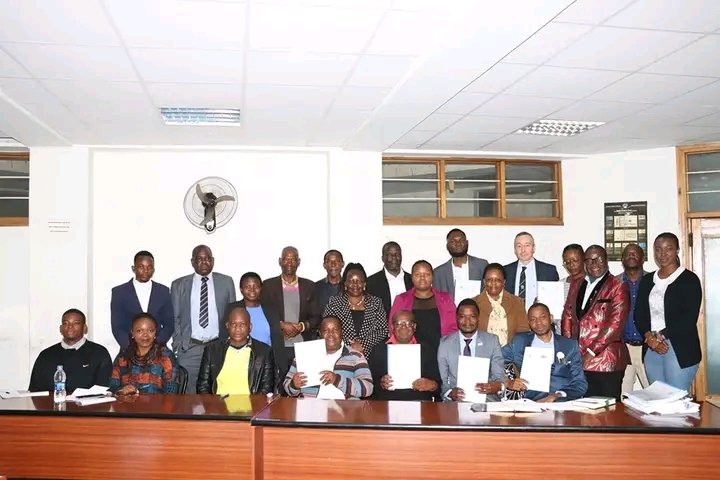
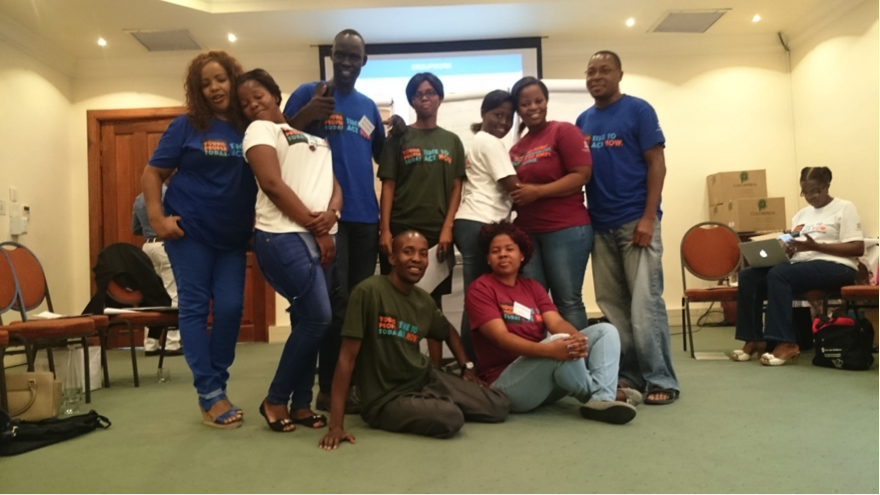
Menstrual Hygiene Management is essential for safeguarding the health, dignity, and wellbeing of women and girls. Poor menstrual hygiene practices can contribute to infections, absenteeism from school, reduced participation in community activities, and psychological distress among girls and women. In many communities, cultural myths and misinformation surrounding menstruation further worsen the situation by preventing open discussion and limiting access to accurate information. Recognizing the importance of addressing these challenges, with the funds from seniors without Borders, YWCA organized a capacity-building training for staff to ensure that project team possess adequate knowledge and skills to promote menstrual health education and practical solutions within communities. The training also aimed to support the organization's broader goals of gender equality, adolescent empowerment, and improved reproductive health outcomes. The training brought together project staff including the Executive Director, Project Officers, and Field Officers involved in community programming.
Training objectives
To strengthen staff capacity to effectively promote menstrual hygiene management in community programs.
Specific objectives
1. Increase staff understanding of menstrual health and hygiene practices.
2. Strengthen staff skills in facilitating menstrual health education sessions.
3. Equip participants with practical skills for producing reusable sanitary pads.
4. Improve staff ability to address menstrual stigma and harmful cultural beliefs.
5. Promote integration of menstrual hygiene management into existing community programs.
TRAINING METHODOLOGY
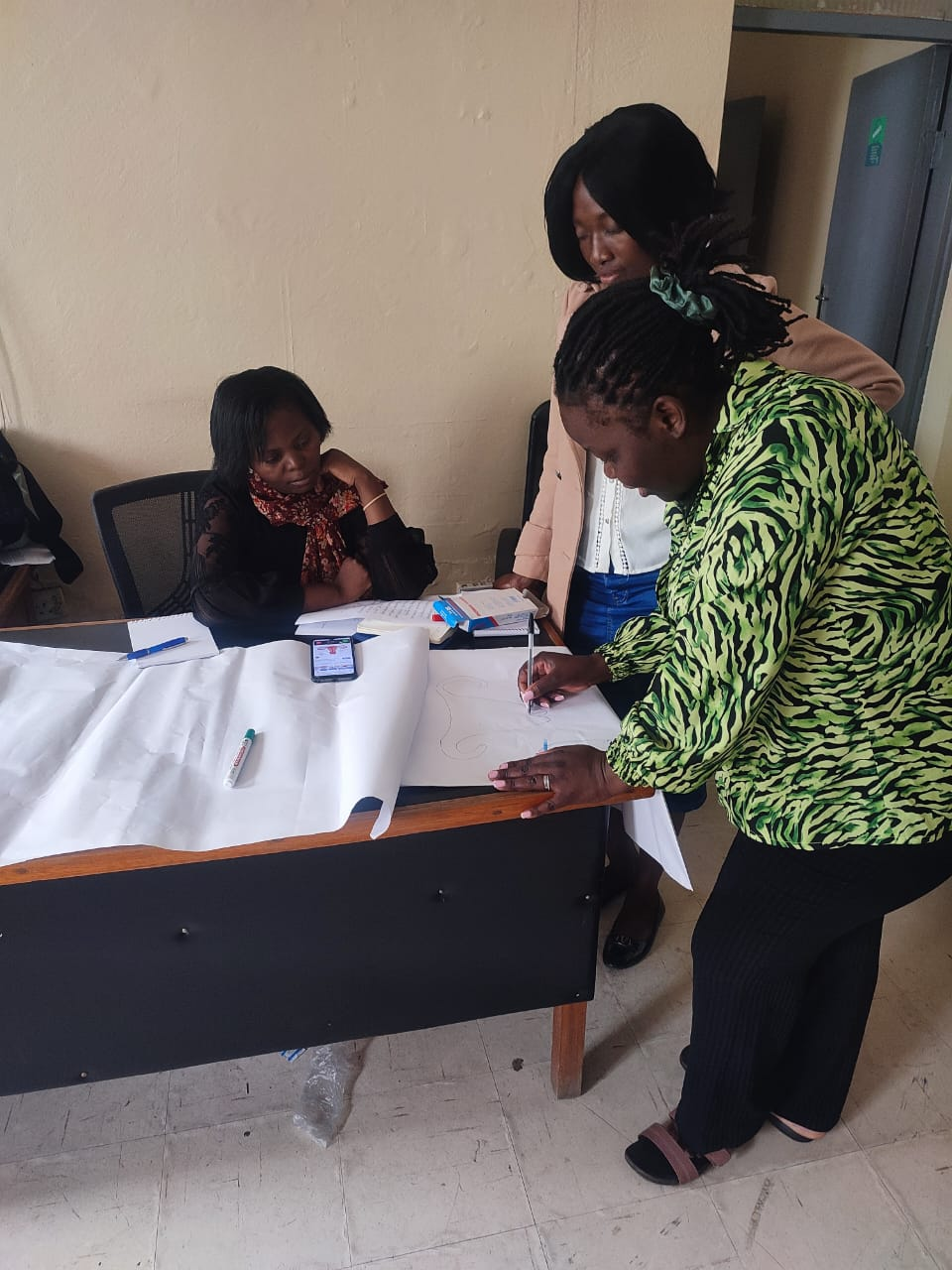
The training adopted participatory learning approaches to ensure active engagement and practical skill acquisition. Training methods included:
· Interactive presentations
· Group discussions
· Question and answer sessions
· Experience sharing
· Demonstrations
· Practical hands-on training
The participatory approach allowed participants to share experiences from the field and collectively identify strategies for addressing menstrual hygiene challenges within communities.
TRAINING CONTENT
Understanding Menstruation
Participants were introduced to the biological processes associated with menstruation, including:
· The menstrual cycle
· Hormonal changes
· Common menstrual symptoms
· Normal versus abnormal menstrual patterns
This session helped participants gain accurate knowledge that can be shared during community awareness sessions.
Menstrual Hygiene Management
This session focused on:
· Definition and importance of menstrual hygiene management
· Safe menstrual hygiene practices
· Types of menstrual products
· Safe disposal of menstrual materials
· Personal hygiene during menstruation
Participants also discussed barriers that women and girls face in accessing menstrual hygiene materials.
Social and Cultural Aspects of Menstruation
Participants explored social and cultural beliefs related to menstruation including:
· Community myths and misconceptions
· Cultural restrictions faced by menstruating girls
· Stigma and discrimination
· Strategies for promoting positive attitudes toward menstruation
This discussion helped participants identify culturally sensitive approaches to menstrual health education.
Community Engagement Strategies
Participants were trained on how to effectively conduct menstrual health awareness sessions within communities through:
· Community dialogues
· School-based sessions
· Engagement with parents and caregivers
· Working with community leaders and volunteers
PRACTICAL SESSION: MAKING REUSABLE SANITARY PADS
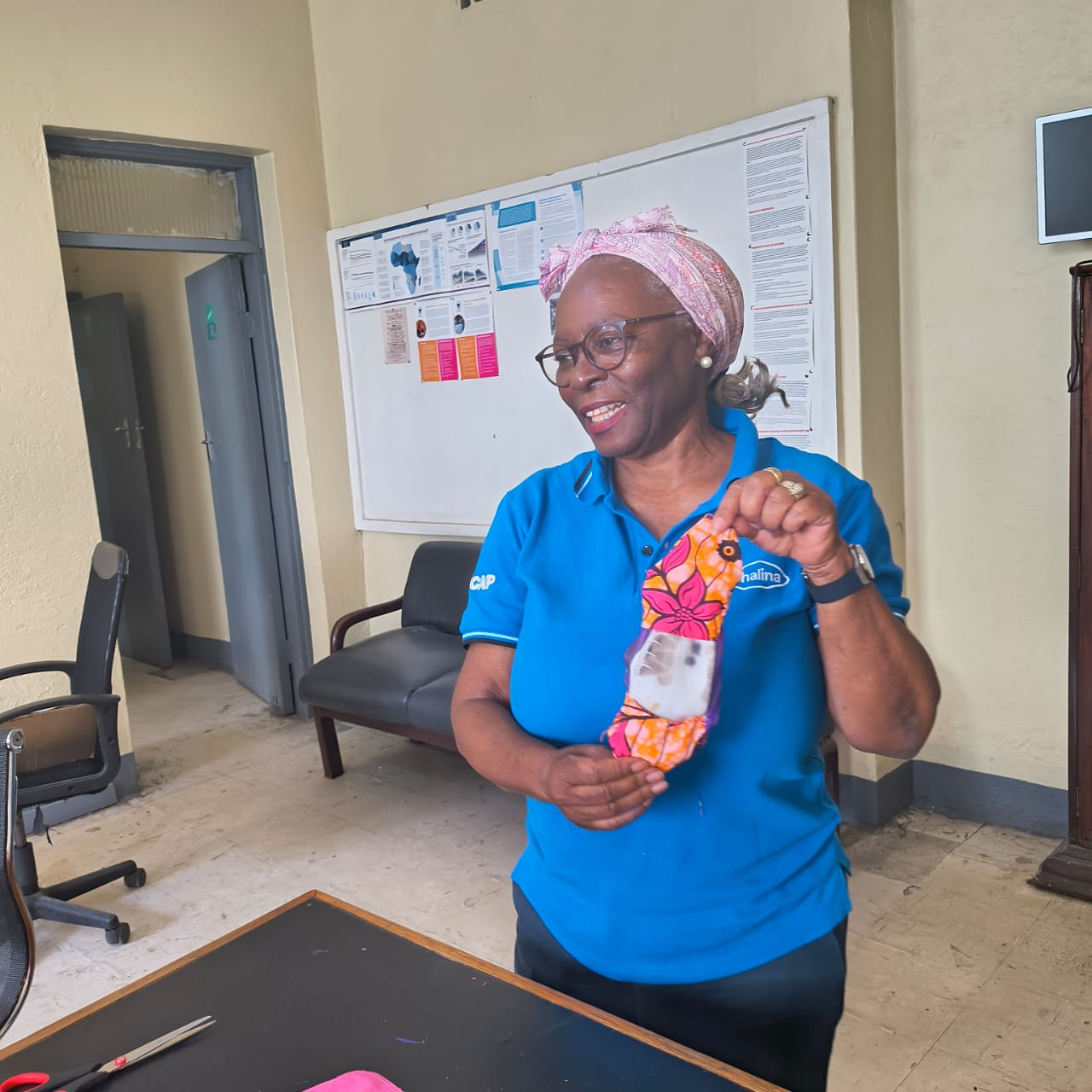
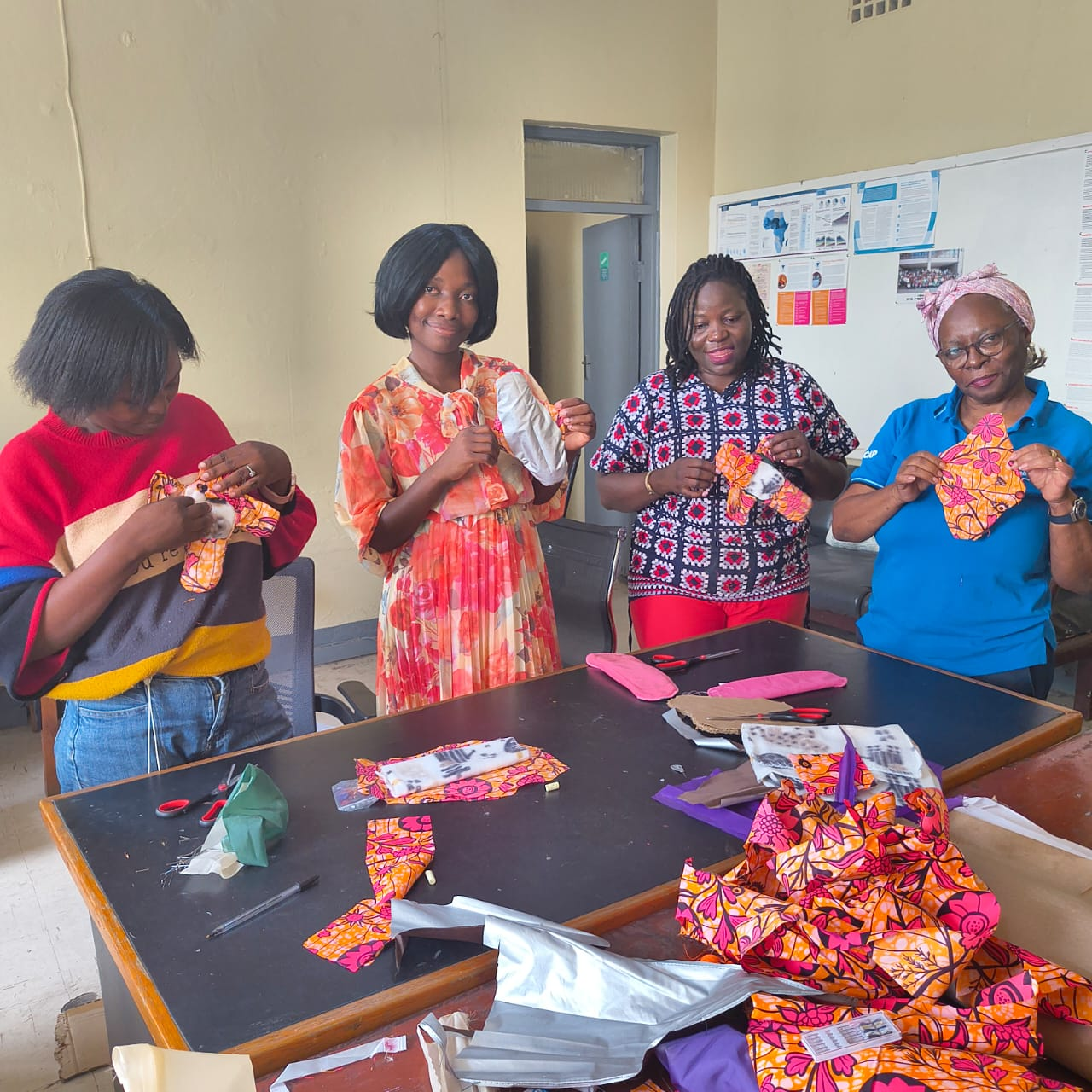
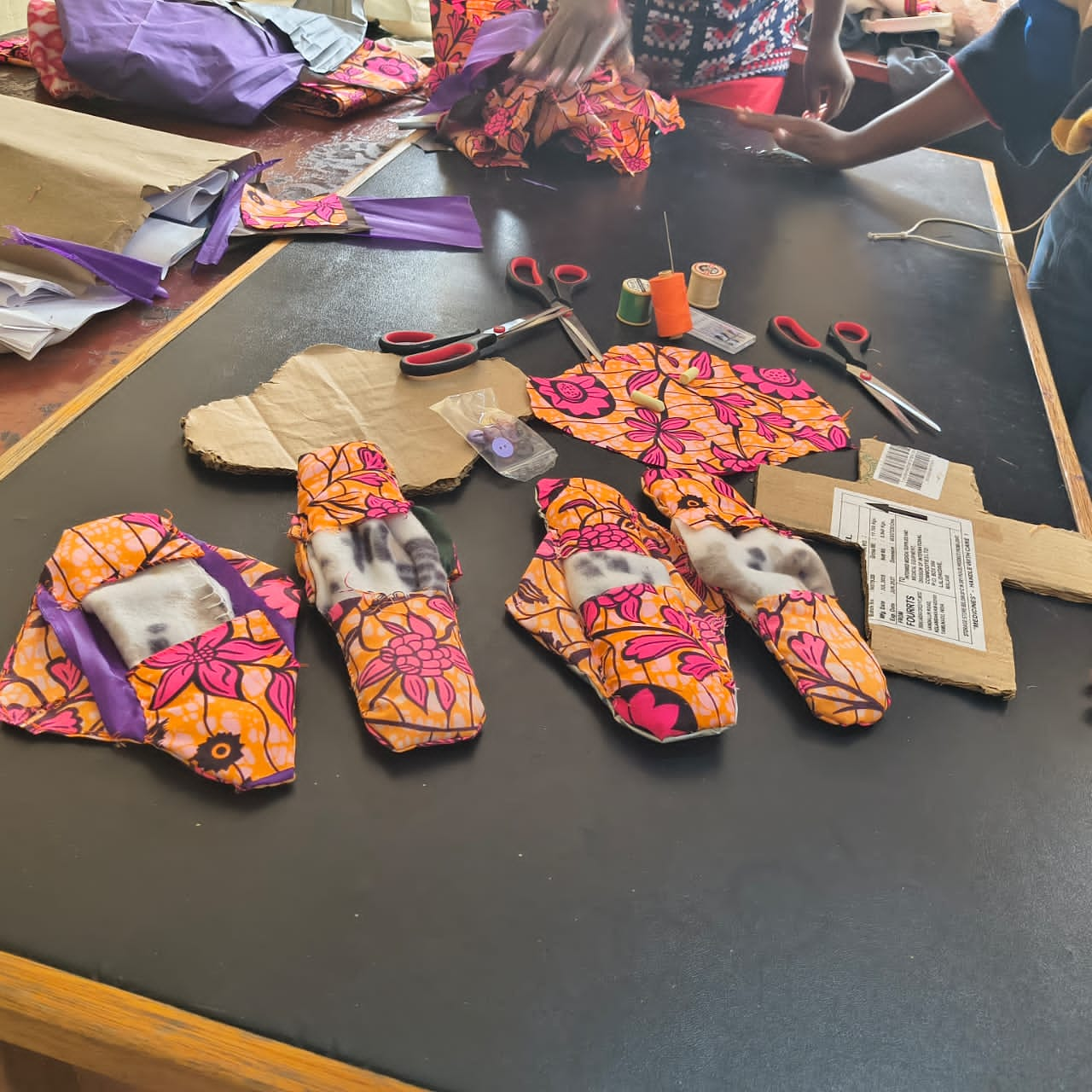
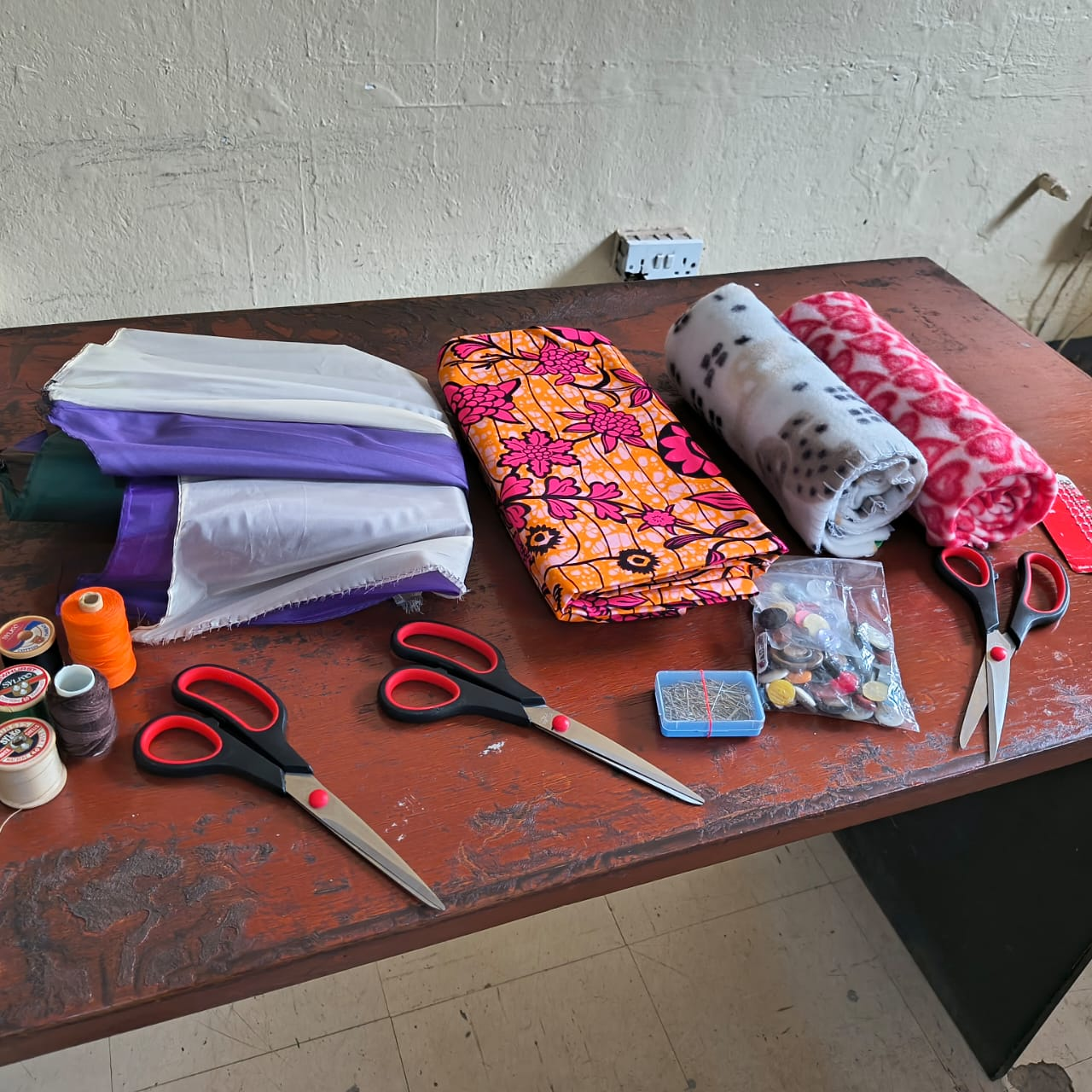
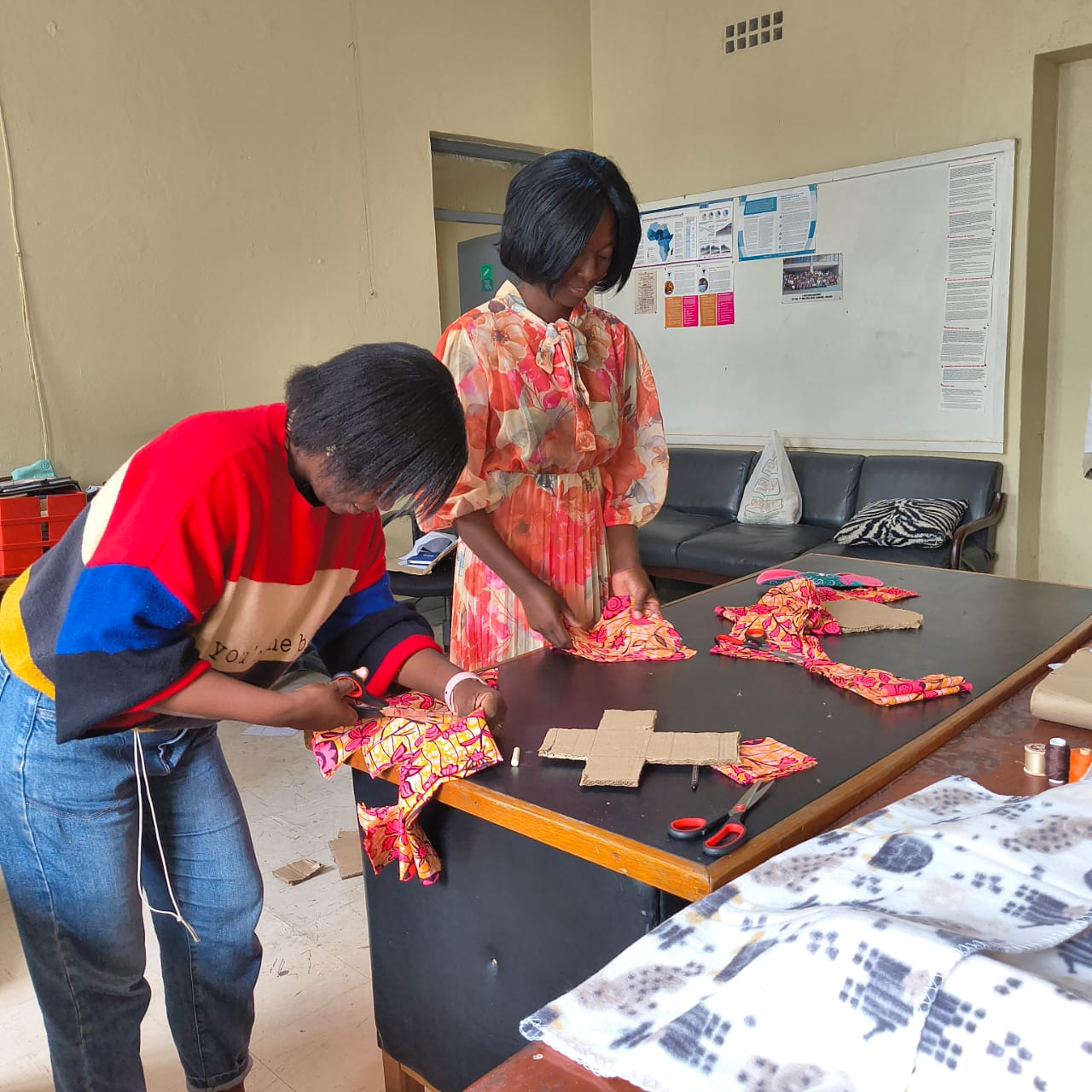
A major component of the training involved hands-on practical training on the production of reusable sanitary pads. Participants were guided through the entire process including: measuring and cutting of the fabric and template, assembling layers and sewing. Each participants worked on their own to produce reusable pads, gaining confidence in the process and identifying ways the skill could be transferred to community groups.
TRAINING OUTCOMES
The training achieved the following outcomes:
· Improved Knowledge: Participants demonstrated increased understanding of menstrual health and hygiene management.
· Practical Skills Development: Staff successfully learned how to produce reusable sanitary pads using locally available materials.
· Increased Confidence: Participants expressed confidence in facilitating menstrual hygiene awareness sessions in communities.
· Strengthened Program Integration: Staff identified opportunities to integrate menstrual hygiene education within ongoing programs.
· Development of school-based mentorship sessions
CONCLUSION
The Menstrual Hygiene Management training successfully strengthened staff knowledge and practical skills necessary for promoting menstrual health within communities. The inclusion of a practical session on reusable sanitary pad production provided participants with a sustainable and replicable solution that can be implemented at community level. By equipping staff with both knowledge and practical skills, the organization is better positioned to support women and girls in managing menstruation safely, confidently, and with dignity.
Published by: Vitmbiko Mkinga (Project officer)
_1.jpg)